
Insights

Core arguments on how value, behavior, and authority now operate

These pieces define the structural shifts shaping modern markets.

They are not analysis of trends or sectors.

They are arguments about how systems now work.

Lead Insights

Marketing has not fragmented into trends. It has reorganised into a system.

A global airline shifting into a regional authority—how British Airways’ Atlantic focus strengthens usage but quietly erodes long-term legitimacy.

What the Fame Index data reveals about BA’s Atlantic focus — and the hidden cost of reducing exposure to Asia.


A media brand that scaled not through reach, but through ritual—turning insider journalism into a repeatable global behavior loop.

How Puck evolved from an insider media brand into a global behavioral habit through repeatable audience rituals and identity-driven participation.
AI doesn’t need to be trusted to win — it becomes indispensable by embedding into everyday behavior.

For much of the digital age, trust was treated as a problem to be solved.

AI does not require belief to scale — it succeeds by embedding itself into everyday behavior.

The Marketing System Trilogy

A three-part framework explaining why modern marketing fails — and how value is actually created.

Modern marketing is optimised for attention in an environment where attention is abundant and increasingly defended.

Why modern marketing is systematically misallocating capital

The problem is no longer measurement — it is the model itself.
Modern growth is no longer driven by exposure, but by systems of repeatable participation and identity attachment.

Why some brands compound while others decay

Brands do not compound through visibility — they compound through behavior.
Value is no longer created through exposure or persuasion, but through systems that structure how people live and participate.

And why it was never in marketing to begin with
Value does not sit in marketing — it sits in systems people cannot exit.

The Invisible System

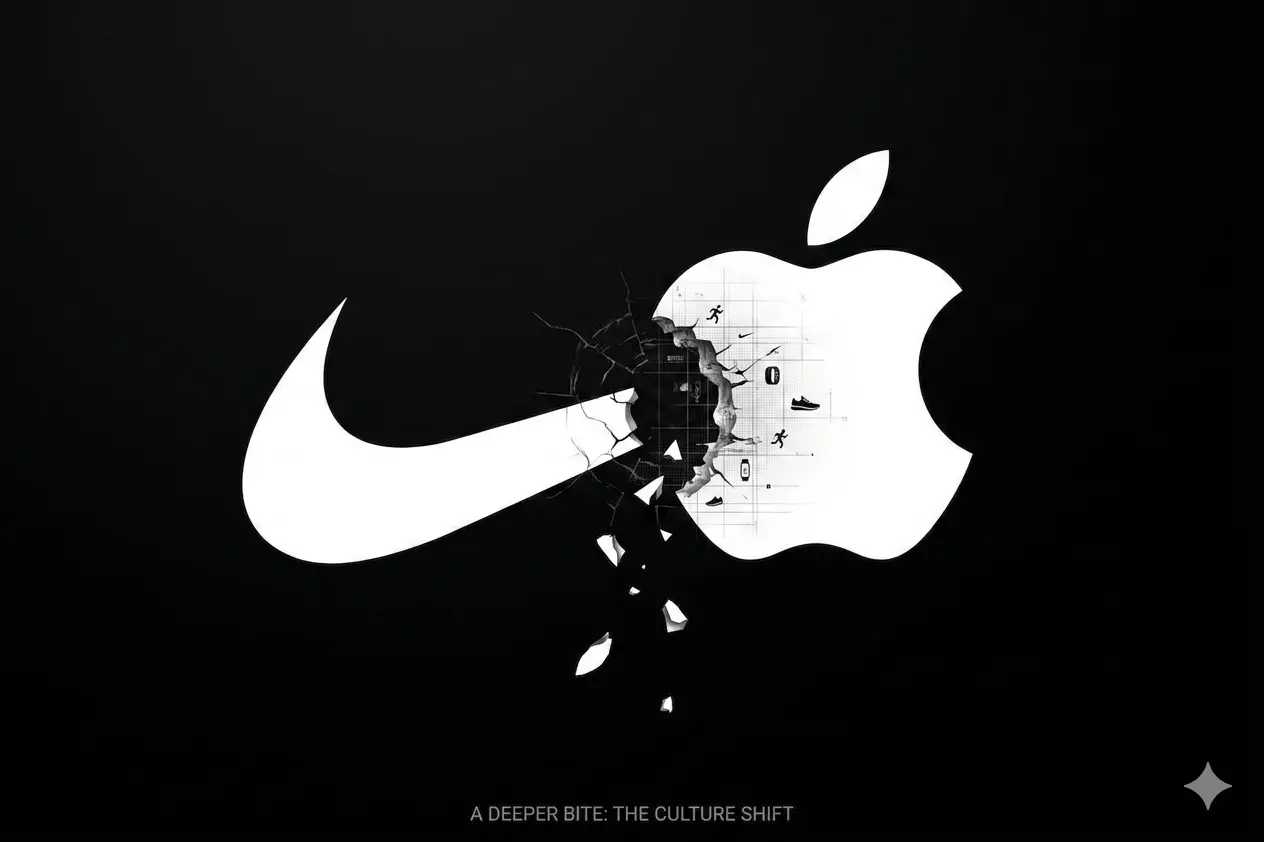
Nike built identity through action. Apple now governs identity through continuous infrastructure.

The shift from performance to infrastructure — and why it matters

Identity has moved from performance to systems that measure and mediate behavior.
Chocolate behaves less like a competitive market and more like a system where brands stabilise behavioral roles.

Why the category behaves less like a market — and more like infrastructure

Value in chocolate is governed by ritual roles, not product superiority.
Most brands win in one place and lose everywhere else. e.l.f. is one of the few that converts cultural momentum into durable, repeatable authority.

How a value beauty brand built cross-authority power — and why it works

Modern brands do not build loyalty in one place — they assemble authority across systems.