
Analysis of the systems shaping modern behavior, identity, and belief.

These pieces examine how cultural environments operate — not at the level of brands or sectors, but at the level of the structures that govern how people act, decide, and repeat.

These systems explain the behavioral conditions within which brands operate.

What this section is

Cultural Systems analysis focuses on:

  • how behavior is structured
  • how identity is formed
  • how trust is negotiated
  • how participation is enforced

These are not trends.

Participation Systems

What people do inside systems

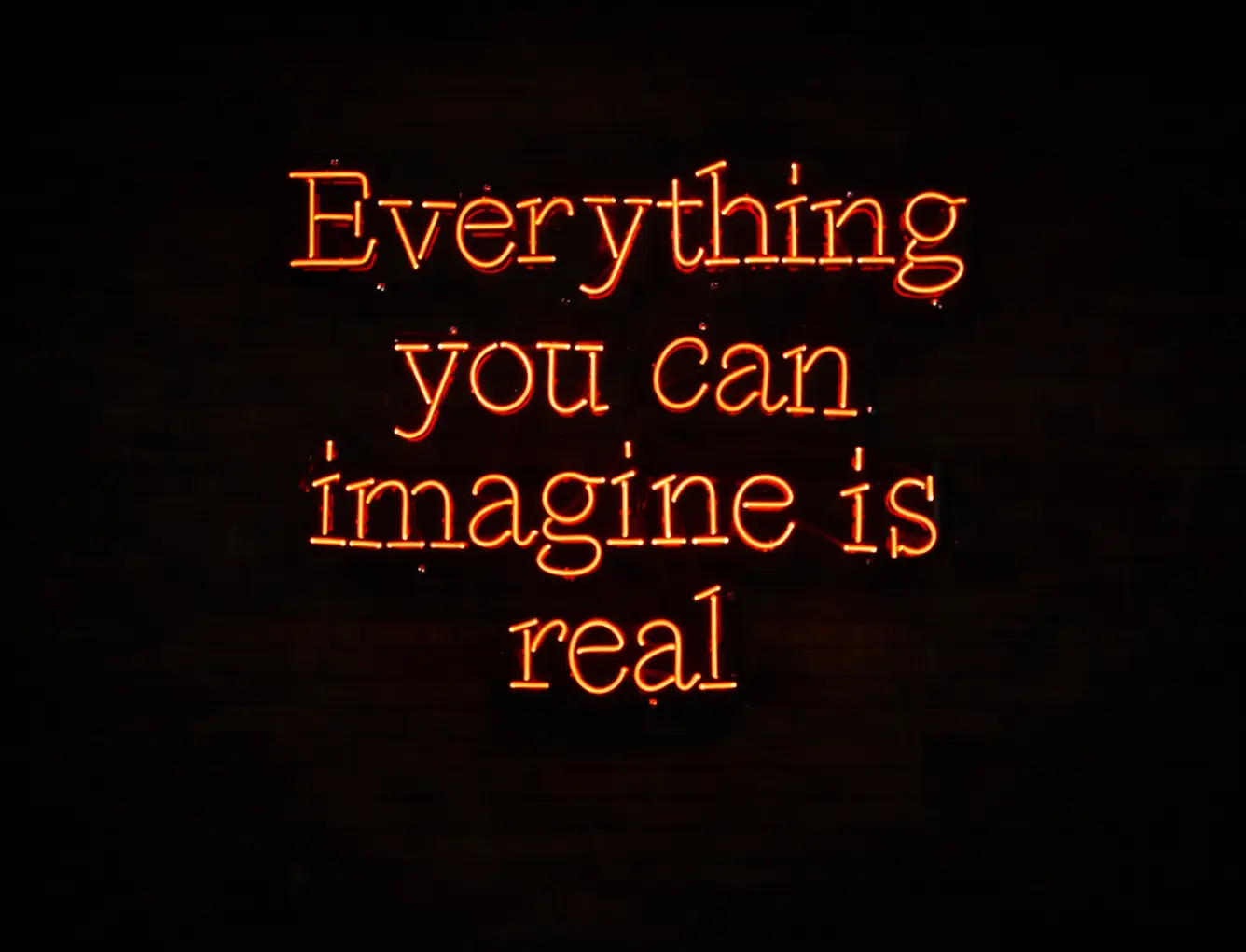
Consumer behavior is no longer driven by discrete decisions, but by continuous exposure, repetition, and participation.
Research

Consumer behavior is no longer driven by discrete decisions, but by continuous exposure, repetition, and participation.

Desire is no longer chosen — it is produced inside systems.
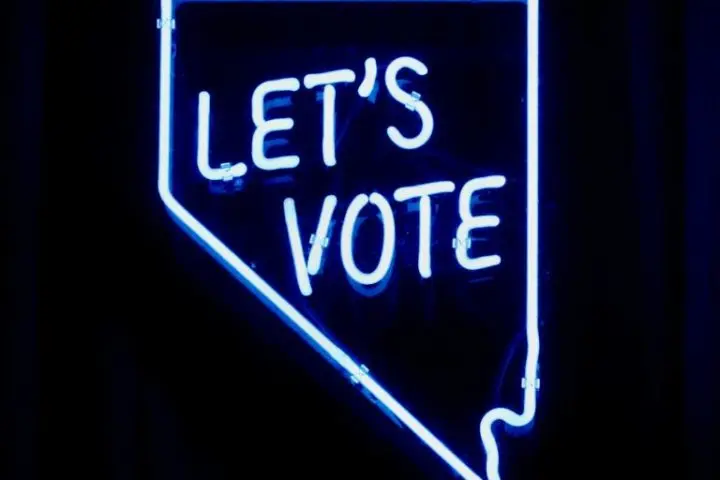
Reality is increasingly experienced as something to interact with, contest, and shape — not simply observe.
Research

Reality is increasingly experienced as something to interact with, contest, and shape — not simply observe.

Reality is no longer upstream of belief — it is negotiated after positions are taken.
Populism is not only a response to demand — it is selected and amplified by systems that reward volatility and attention.

Research

Populism is not only a response to demand — it is selected and amplified by systems that reward volatility and attention.

Populism is not just political — it is structurally compatible with systems that reward disruption.
ASOS is evolving from fashion retailer into behavioral infrastructure built around ritualized commerce participation.
Insights

ASOS is evolving from fashion retailer into behavioral infrastructure built around ritualized commerce participation.

ASOS is operationally strengthening through behavioral infrastructure while remaining symbolically weak as a cultural object.
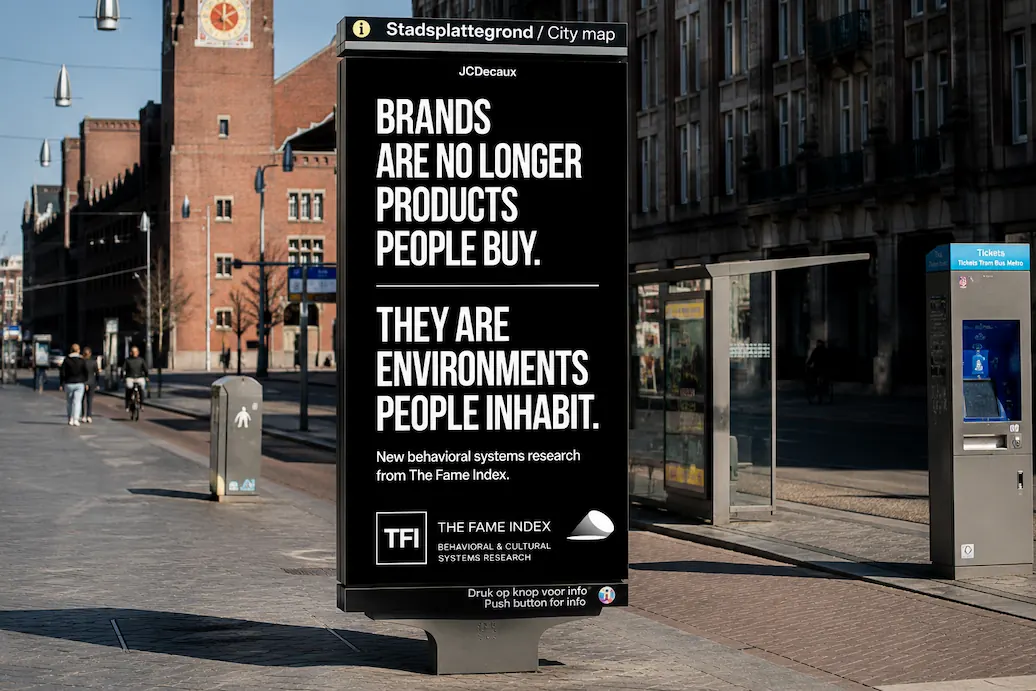
Modern brands increasingly function as behavioral infrastructure that people unconsciously organize routines, identity, and trust through.
Insights

Modern brands increasingly function as behavioral infrastructure that people unconsciously organize routines, identity, and trust through.

The strongest modern brands no longer persuade audiences — they organize participation, identity, and behavioral dependence.
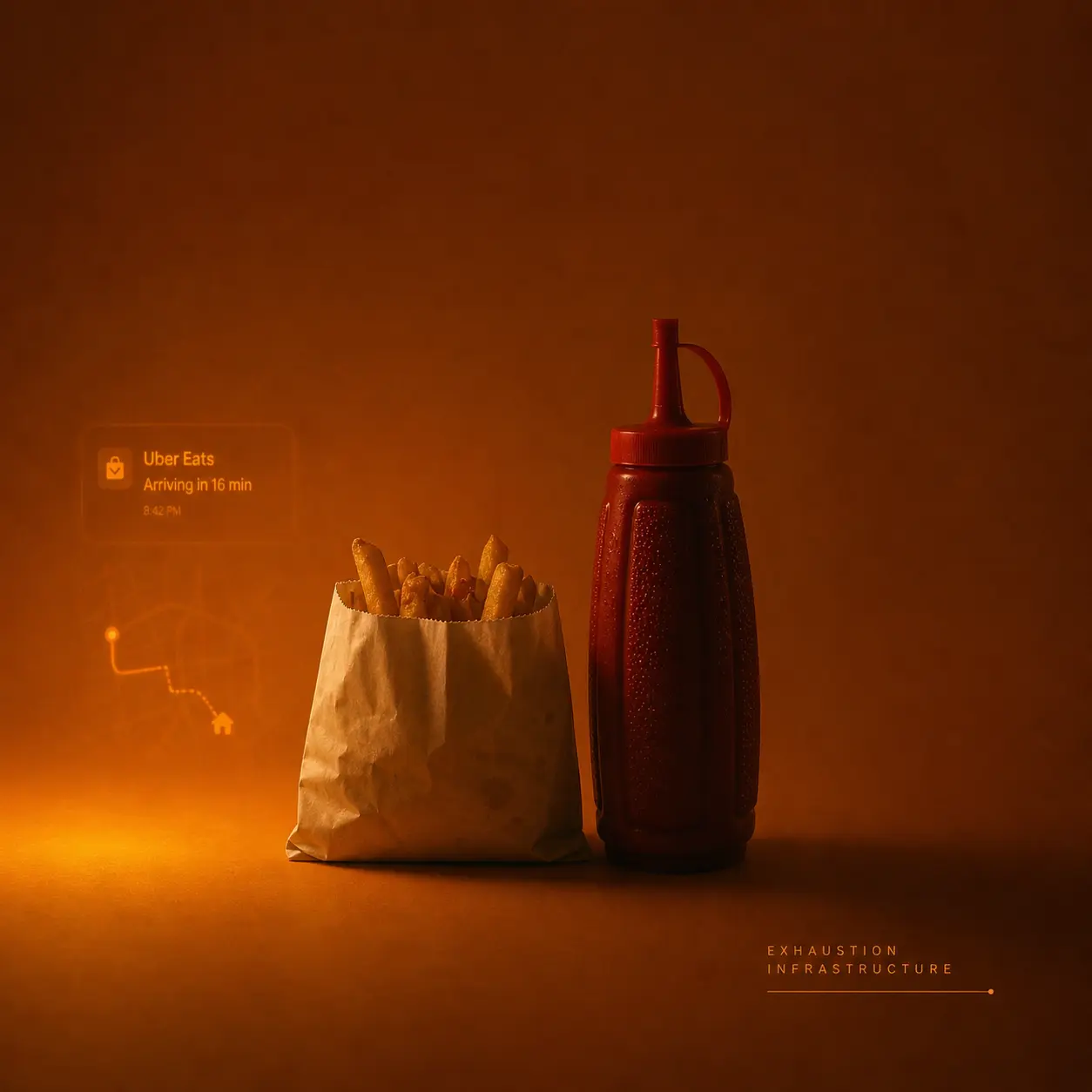
Fast food increasingly functions as behavioral infrastructure for fatigue, continuity, emotional regulation, and time-compressed modern life.
Insights

Fast food increasingly functions as behavioral infrastructure for fatigue, continuity, emotional regulation, and time-compressed modern life.

Fast food survives because modern systems continuously produce the exhaustion conditions that make it behaviorally rational.

Identity Systems

How people construct and maintain identity

We don’t choose food anymore — we navigate systems that choose it for us.

Insights

We don’t choose food anymore — we navigate systems that choose it for us.

Food choices are not driven by preference — they are outputs of constraint, fatigue, and identity systems.
Luxury brands no longer compete on fame — they compete on who controls access, meaning, and circulation.
Insights

Luxury brands no longer compete on fame — they compete on who controls access, meaning, and circulation.

Luxury no longer competes on visibility — it competes on control over participation.
Wellness is evolving from a lifestyle vertical into society’s parallel operating system for regulation, trust, and emotional stability.
Insights

Wellness is evolving from a lifestyle vertical into society’s parallel operating system for regulation, trust, and emotional stability.

Wellness increasingly functions as behavioral infrastructure governing regulation, identity, trust, and emotional stability.
Value is no longer created through exposure or persuasion, but through systems that structure how people live and participate.
Research

Value is no longer created through exposure or persuasion, but through systems that structure how people live and participate.

Value does not sit in marketing — it sits in systems people cannot exit.

Regulation Systems

How people manage pressure, fatigue, and constraint

Retail has split into distinct governing systems, each managing a different form of consumer pressure.
Research

Retail has split into distinct governing systems, each managing a different form of consumer pressure.

Retail is no longer a category — it is a set of systems governing how people cope with everyday life.
Governments still control systems — but no longer control how those systems are experienced.

Insights

Governments still control systems — but no longer control how those systems are experienced.

Governments are not failing in execution — they are misaligned with the systems through which they are experienced.
Hospitality increasingly behaves like infrastructure — yet capital continues pricing the sector as a discretionary brand business.

Insights

Hospitality increasingly behaves like infrastructure — yet capital continues pricing the sector as a discretionary brand business.

The stay market is shifting from experiential consumption toward routing, recovery, and temporary stability infrastructure.
Work is no longer contained by jobs or offices. It has become an ambient system of identity, verification, and continuous participation.
Research

Work is no longer contained by jobs or offices. It has become an ambient system of identity, verification, and continuous participation.

Work has not disappeared — it has become continuous.