
Each case study shows how authority is built, sustained, or lost.
All analyses follow a consistent structure:
core shift → system mechanics → authority outcome.
How individual brands build or lose authority within cultural systems.
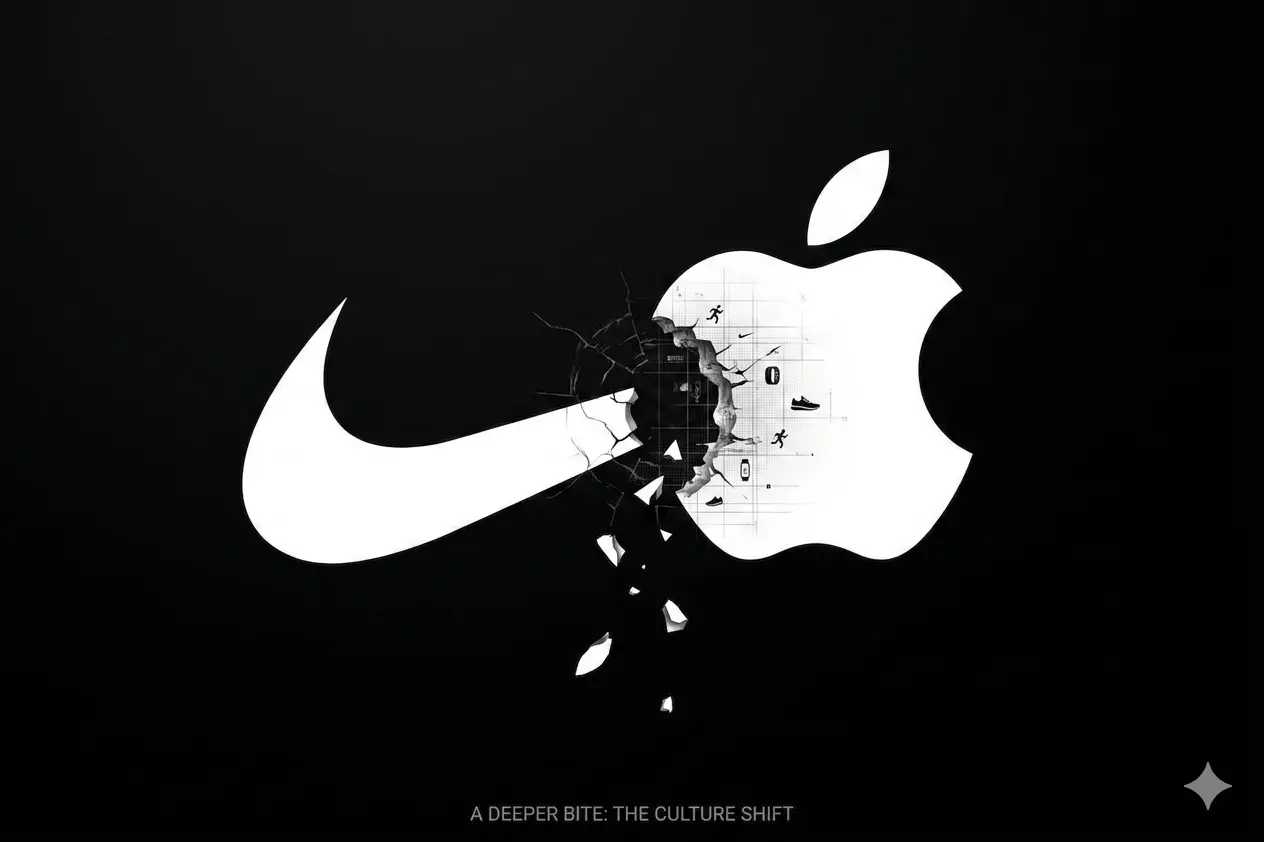
Apple has displaced Nike not by competing in sport, but by governing identity through infrastructure.
Action → Effort → Identity
→
Exposure → Measurement → Identity
e.l.f. wins by converting participation into authority, not attention into awareness.
Attention → Campaign → Purchase
→
Replication → Proof → Identity
Net-a-Porter is strengthening operationally while its prestige authority is under pressure.
Curated luxury authority
→
Operational velocity + transactional loops

Volkswagen’s authority remains strong in stability systems, but is under pressure from technology-driven identity regimes.
Mechanical reliability authority
→
Software / infrastructure authority expectation
ASOS is evolving from fashion retailer into behavioral infrastructure built around ritualized commerce participation.
Triggered Fashion Fame
→
Ritualized Behavioral Coordination Platform

This diagnostic maps how B&O’s fame is built through installation rituals, product performance, and cultural positioning — and why that fame remains geographically concentrated and operationally constrained.
How entire categories operate as behavioral systems.
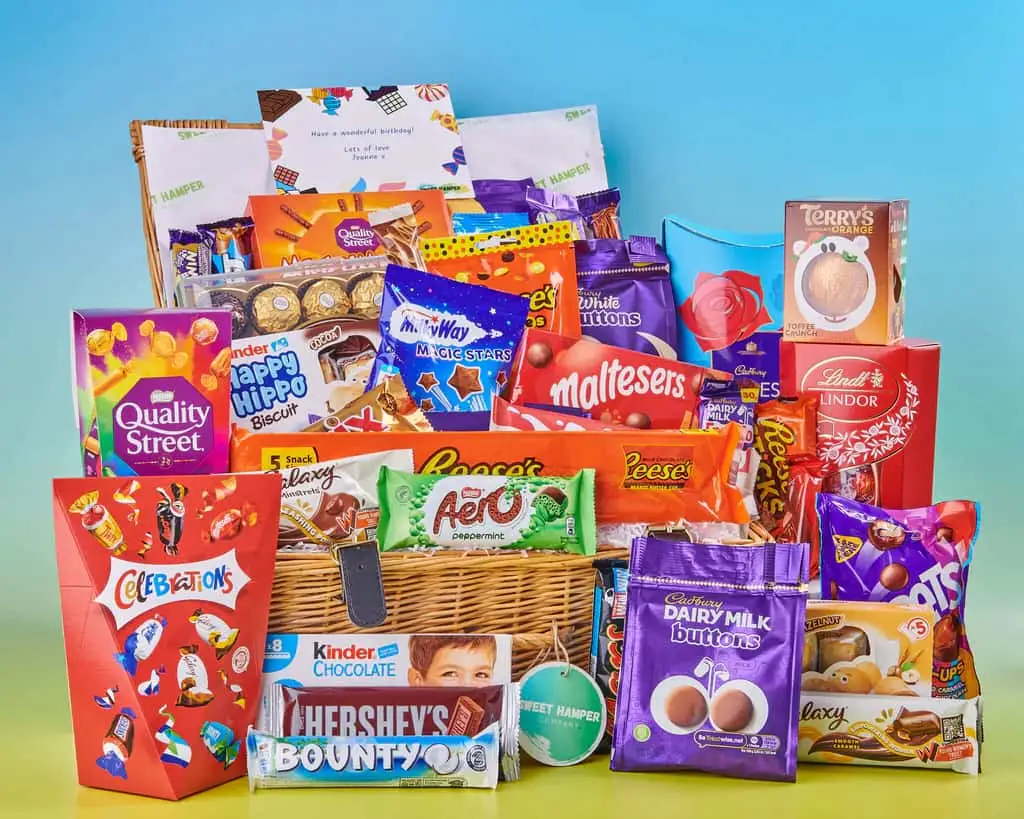
Chocolate brands do not compete on product quality — they stabilise roles within a behavioral system.
Product competition
→
Role-based system governance
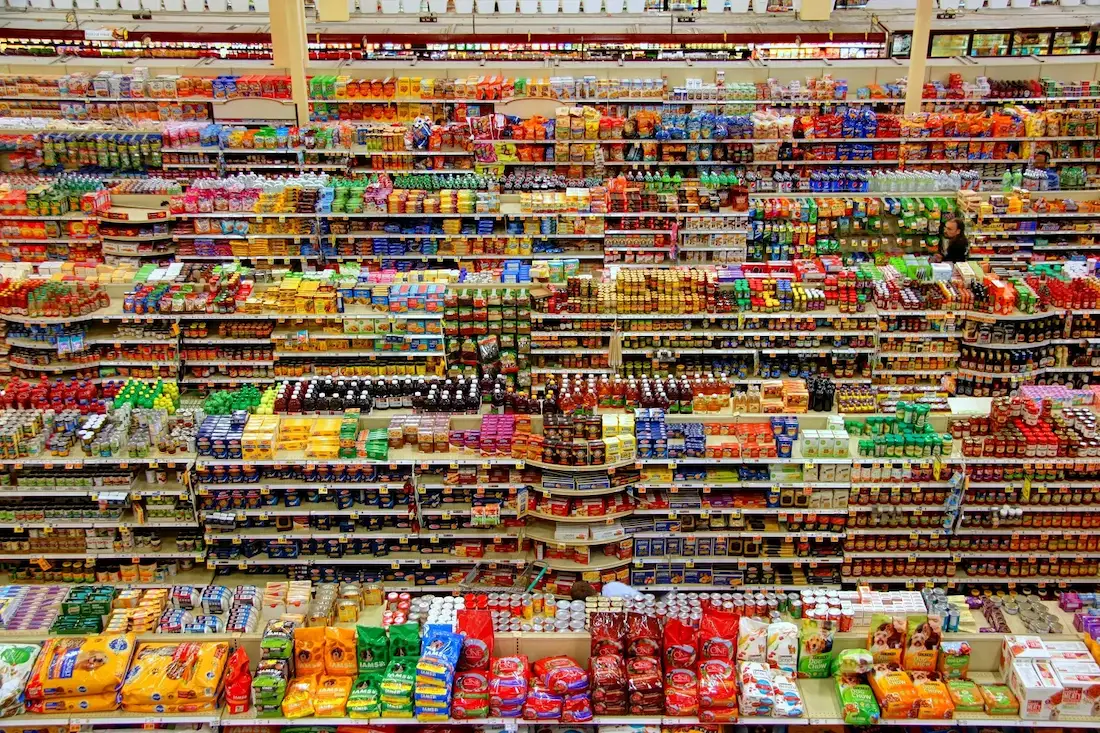
The UK grocery sector is no longer best understood as a contest over price, range, or proximity. It has reorganized into a set of systems that govern how people manage money, time, identity, and everyday life. This paper maps how supermarkets have become behavioral infrastructure — and why the next phase of competition is a governance war.

Payments no longer operates as a single branded system. Authority has split across interface, financing, infrastructure, and settlement layers — each shaping different parts of the decision process. This analysis maps how control, memory, and dependence are now distributed across the stack.

This analysis shows how brands like Zara, Shein, Uniqlo, and Temu now operate as fundamentally different systems — and why long-term advantage is shifting toward operators with structural depth, not just velocity.

We don’t choose food anymore — we navigate systems that choose it for us.
food as choice
→
food as behavioral output

Airlines are no longer competing primarily on campaigns, creative, or warmth. They are competing on authority density inside systems.
How behavior, identity, and trust operate across culture.

AI doesn’t need to be trusted to win — it becomes indispensable by embedding into everyday behavior.
trust enables usage
→
usage occurs without belief

Wellness is evolving from a lifestyle vertical into society’s parallel operating system for regulation, trust, and emotional stability.
wellness as lifestyle category
→
wellness as societal operating system