
Each case study shows how authority is built, sustained, or lost.
All analyses follow a consistent structure:
core shift → system mechanics → authority outcome.
How individual brands build or lose authority within cultural systems.

A global airline shifting into a regional authority—how British Airways’ Atlantic focus strengthens usage but quietly erodes long-term legitimacy.

Burberry’s resurgence reveals luxury shifting from spectacle signaling toward trust, competence, and controlled visibility systems.
Luxury as conspicuous aspiration
→
Luxury as competence, stability, and socially verified trust signaling

Harley’s problem isn’t relevance — it’s access; cultural power is rising while the ownership gateway becomes increasingly restrictive.
ownership as entry
→
participation first, ownership last

A media brand that scaled not through reach, but through ritual—turning insider journalism into a repeatable global behavior loop.
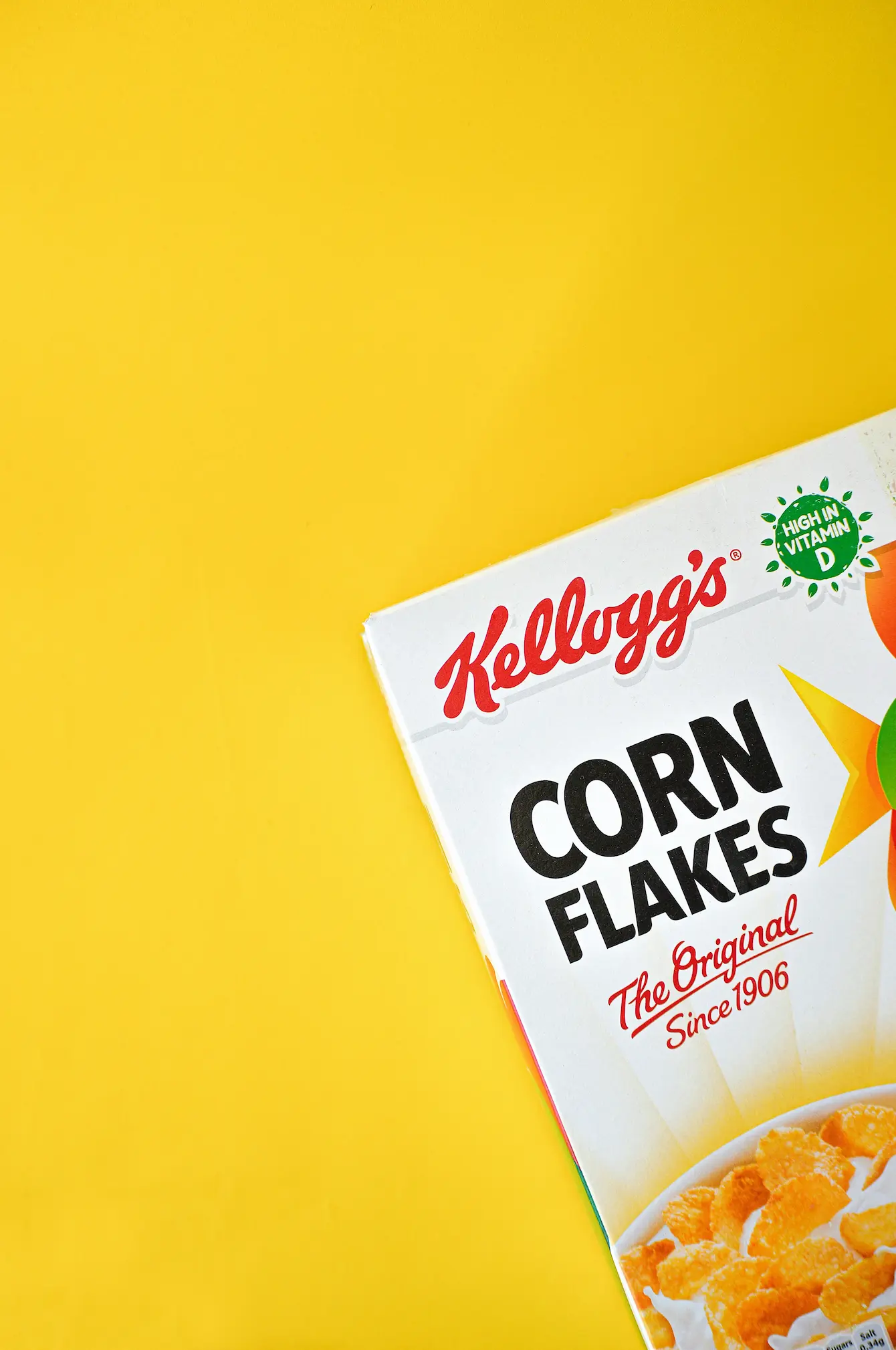
Breakfast is no longer a single ritual. It has fragmented into competing systems of default, joy, and control.

Luxury brands no longer compete on fame — they compete on who controls access, meaning, and circulation.
ownership-based luxury
→
participation-controlled luxury systems
How entire categories operate as behavioral systems.
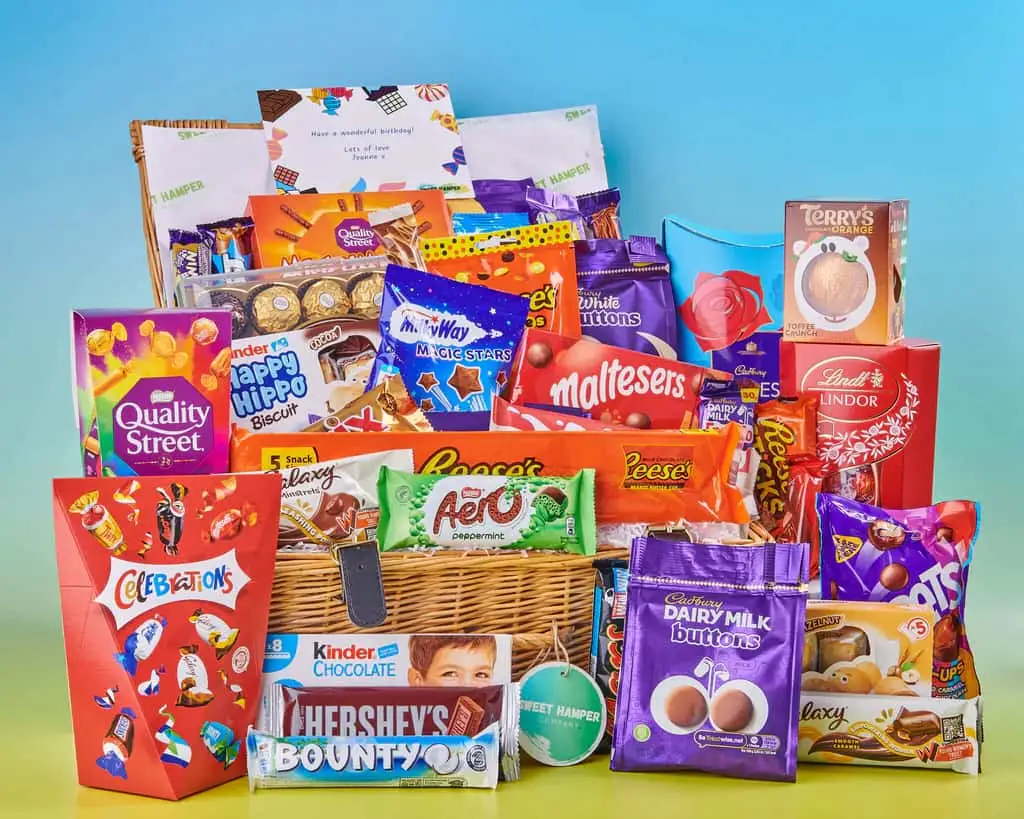
Chocolate brands do not compete on product quality — they stabilise roles within a behavioral system.
Product competition
→
Role-based system governance
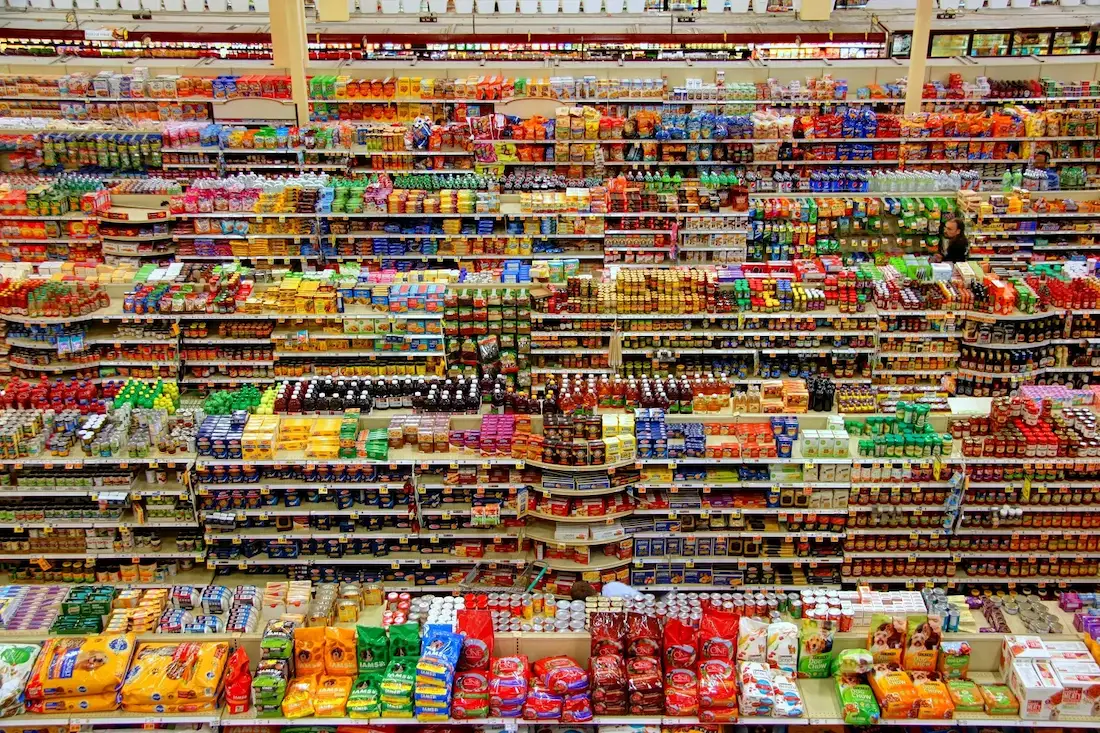
The UK grocery sector is no longer best understood as a contest over price, range, or proximity. It has reorganized into a set of systems that govern how people manage money, time, identity, and everyday life. This paper maps how supermarkets have become behavioral infrastructure — and why the next phase of competition is a governance war.
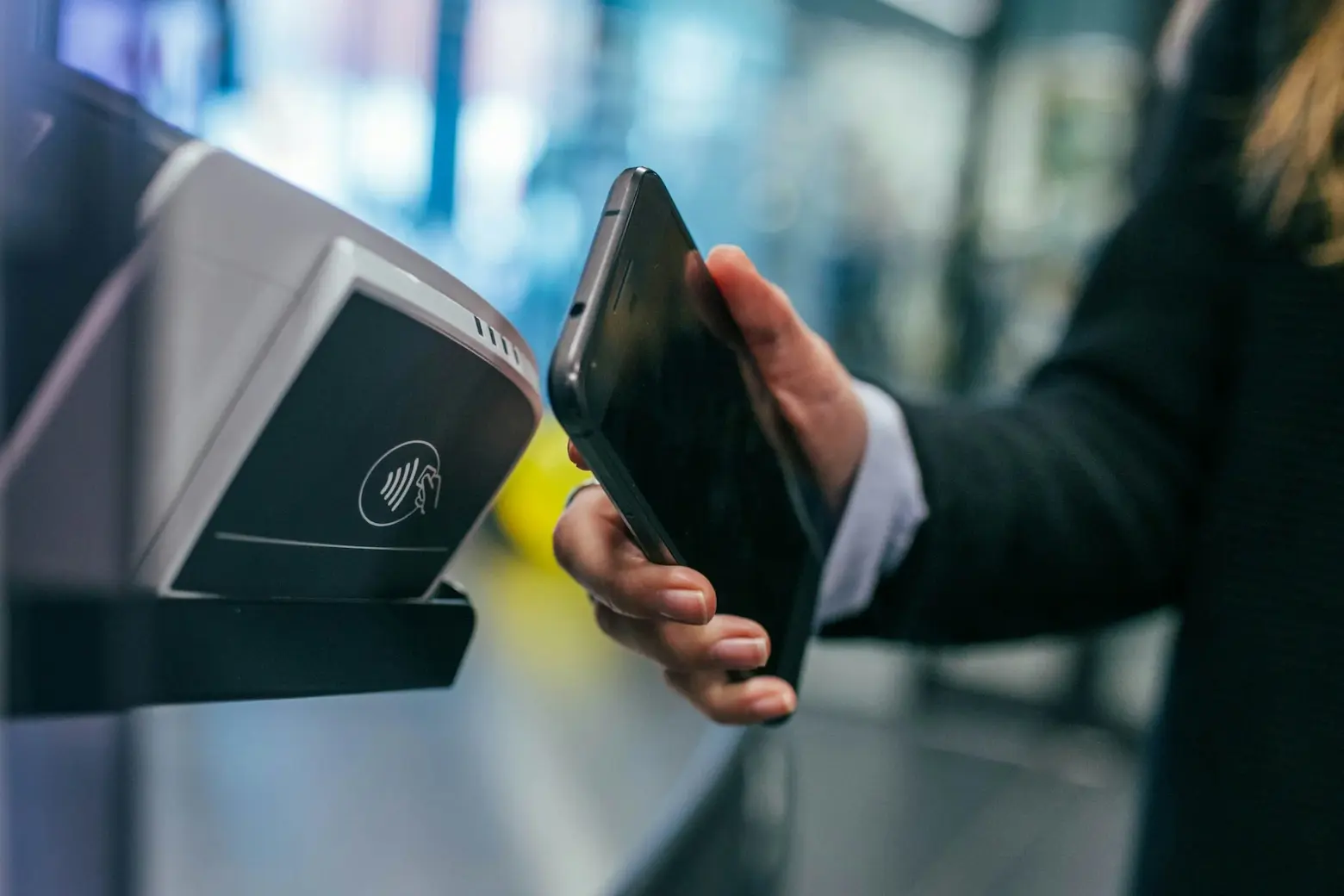
Payments no longer operates as a single branded system. Authority has split across interface, financing, infrastructure, and settlement layers — each shaping different parts of the decision process. This analysis maps how control, memory, and dependence are now distributed across the stack.

This analysis shows how brands like Zara, Shein, Uniqlo, and Temu now operate as fundamentally different systems — and why long-term advantage is shifting toward operators with structural depth, not just velocity.

We don’t choose food anymore — we navigate systems that choose it for us.
food as choice
→
food as behavioral output

Airlines are no longer competing primarily on campaigns, creative, or warmth. They are competing on authority density inside systems.
How behavior, identity, and trust operate across culture.
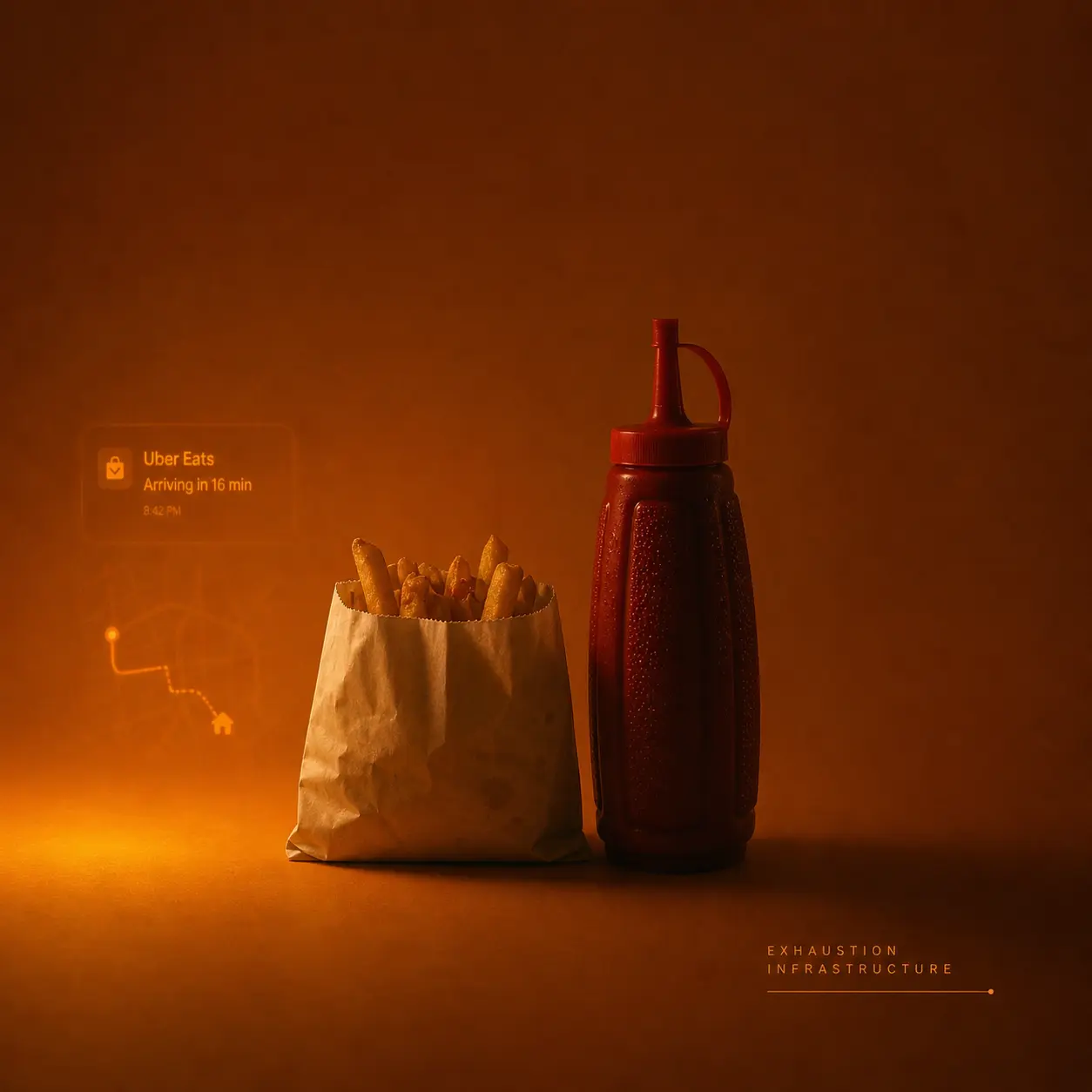
Fast food increasingly functions as behavioral infrastructure for fatigue, continuity, emotional regulation, and time-compressed modern life.
From fast food as unhealthy consumption
→
to fast food as fatigue-management infrastructure

Markets don’t just process information anymore — they structure behavior.
price discovery
→
behavioral infrastructure

Marketing has not fragmented into trends. It has reorganised into a system.

Resale looks like a market, but operates as fragmented behavioral systems no single platform controls.

GLP-1s are not just changing health behavior. They are replacing effort as the foundation of identity.

Governments still control systems — but no longer control how those systems are experienced.
policy performance
→
system interaction and experience