What are Consumer Electronics?
Consumer electronics are typically defined by:
- hardware
- features
- performance
- specifications
Phones, TVs, speakers, wearables.
But this definition no longer captures how the category actually works.
Consumer electronics are not just devices.
They are:
experiential systems embedded in everyday life
They determine:
- how people interact with media
- how environments feel
- how routines are structured
- how identity is expressed through technology
Unlike purely functional products, electronics are:
seen, touched, demonstrated, and repeated
Consumer Electronics as a Behavioral System
From a Fame Index perspective, consumer electronics operate through interaction and experience loops.
Interaction Systems
Products are defined by how they behave:
- opening
- activating
- responding
- displaying
These interactions are:
repeatable and observable
Demonstration Systems
Electronics are shown:
- unboxed
- installed
- showcased
- shared
Ownership is not private.
It is:
performed
Ritual Systems
Products become part of routine:
- turning on
- adjusting
- setting up
- maintaining
Behavior becomes:
structured and repeated
Spatial Systems
Electronics shape environments:
- homes
- desks
- living spaces
They are not just used.
They are:
placed and displayed
Identity Systems
Devices signal:
- taste
- sophistication
- technical competence
Consumer electronics act as:
status and identity objects
What is Consumer Electronics Marketing Today?
Consumer electronics marketing is still often treated as:
- feature comparison
- innovation messaging
- performance claims
But this misses how decisions are actually made.
The real competition is:
- how the product feels
- how it is experienced
- how it is demonstrated
- how it is repeated
Old model:
features → comparison → purchase
New model:
exposure → demonstration → experience → repetition
The strongest brands:
- create memorable interactions
- design for demonstration
- enable sharing
- build repeatable rituals
The key shift:
Products are not just bought.
They are performed.
The Structural Shift in Consumer Electronics
The category is evolving into distinct system types:
Experience-Led Systems
Products that win through:
- design
- interaction
- spectacle
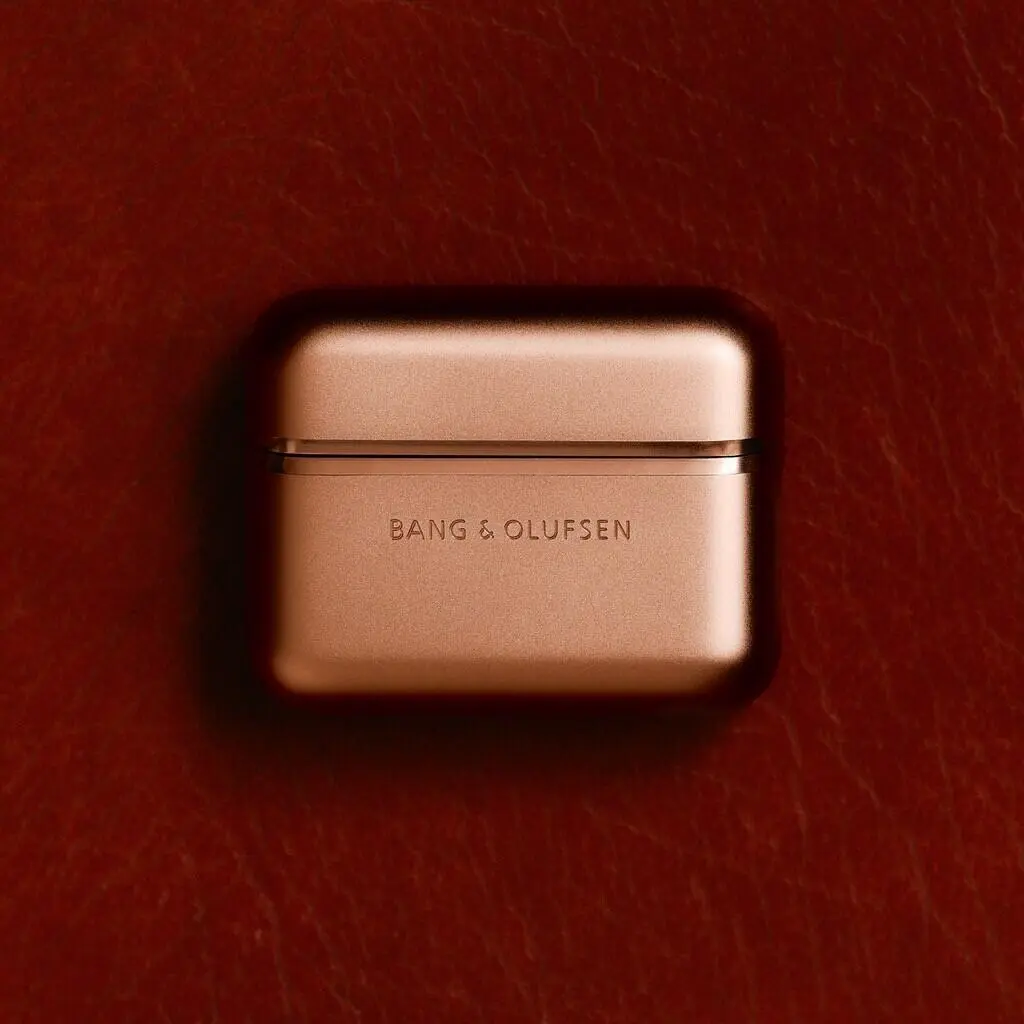
Example: B&O
Platform-Integrated Systems
Products that connect to wider ecosystems:
- apps
- services
- subscriptions
Utility Systems
Products that succeed through:
- reliability
- simplicity
- everyday use
Status Systems
Products that signal:
- taste
- wealth
- technical awareness
These systems overlap, but success depends on:
which behavior the product enables
What This Means for Brands
1. Interaction defines value
What people do with the product matters more than what it does.
2. Demonstration drives growth
Products that are shown spread faster.
3. Ritual creates attachment
Repeatable use builds long-term value.
4. Environment matters
Products shape spaces, not just functions.
5. Identity is embedded in objects
Devices are part of how people present themselves.
The key question becomes:
What behavior does this product create?